When sourcing cashew kernels from Vietnam or other producing origins, international buyers often focus on price first.
However, in practice, cashew kernel quality issues are the main cause of claims, shipment rejections, and broken long-term partnerships.
As an experienced cashew kernel exporter, we outline below the most common quality problems in cashew kernel export — and how reliable suppliers control them.
1. High Moisture Content in Cashew Kernels
❌ Common Problem
Excessive moisture (above 5%) may result in:
- Mold formation
- Shortened shelf life
- Unpleasant odor upon opening
- Rejection by importers and inspection agencies
✅ Quality Control Measures
- Moisture testing at multiple processing stages
- Controlled drying before packing
- Vacuum packing or nitrogen-flushed packaging
- Dry, temperature-controlled storage facilities
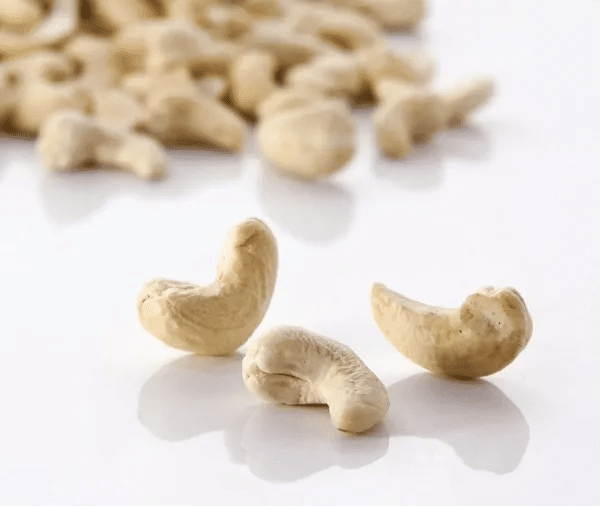
Humidity is an important factor and needs to be controlled.
2. Broken Cashew Kernels and High Defect Ratio
❌ Common Problem
Buyers often report excessive broken kernels in shipments labeled as W240, W320, or W450 cashew kernels, reducing commercial value.
Main causes:
- Improper shelling
- Over-drying
- Rough handling during grading and packing
✅ Quality Control Measures
- Skilled manual shelling combined with calibrated machines
- Optimized drying parameters
- Strict separation of whole and broken cashew kernels
- Pre-shipment inspection by experienced QC teams
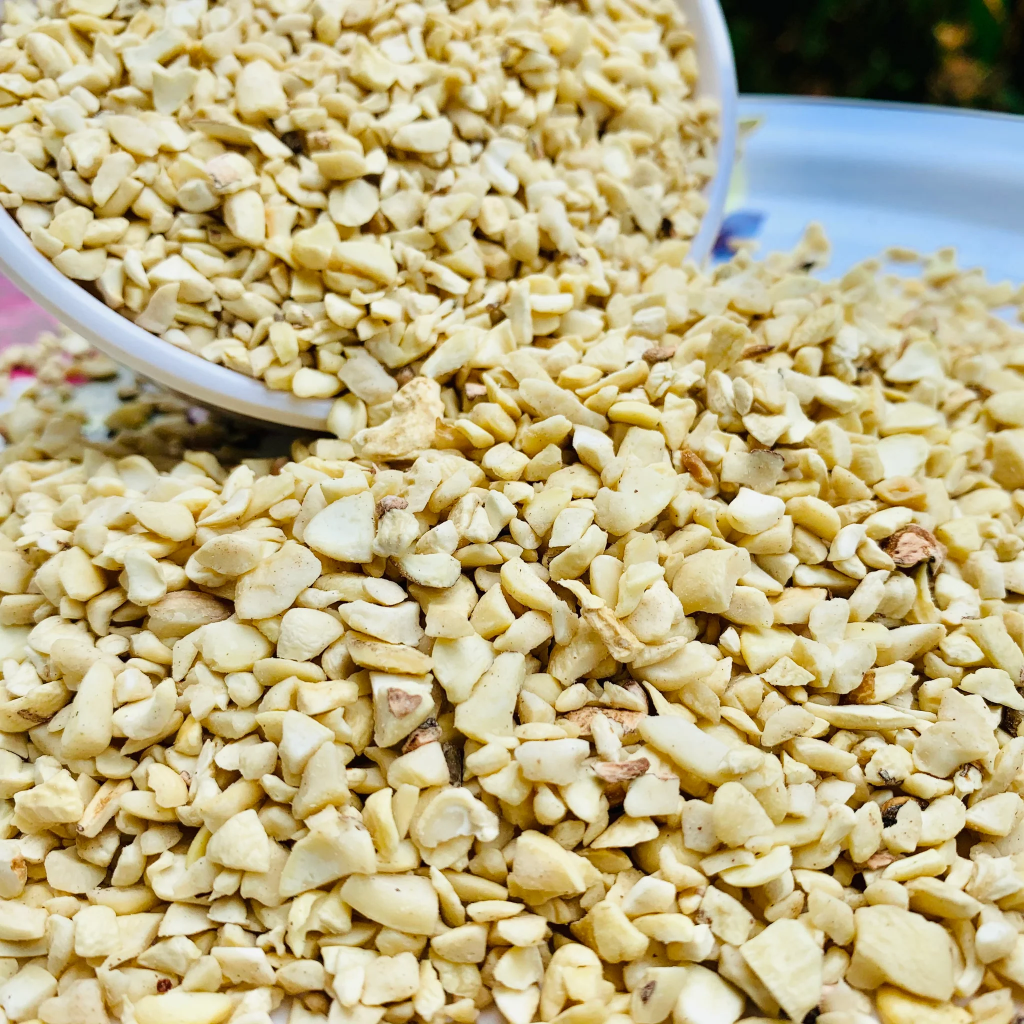
Broken Cashew Kernels
3. Inconsistent Cashew Kernel Grading
❌ Common Problem
Inconsistent grading includes:
- Mixed kernel sizes within one grade
- Whole kernels mixed with pieces
- Non-uniform color
This is a frequent cause of buyer complaints in bulk cashew kernel export.
✅ Quality Control Measures
- Compliance with AFI cashew kernel grading standards
- Double grading (machine + manual)
- Grade-specific COA (Certificate of Analysis)
- Lot-based traceability for each shipment
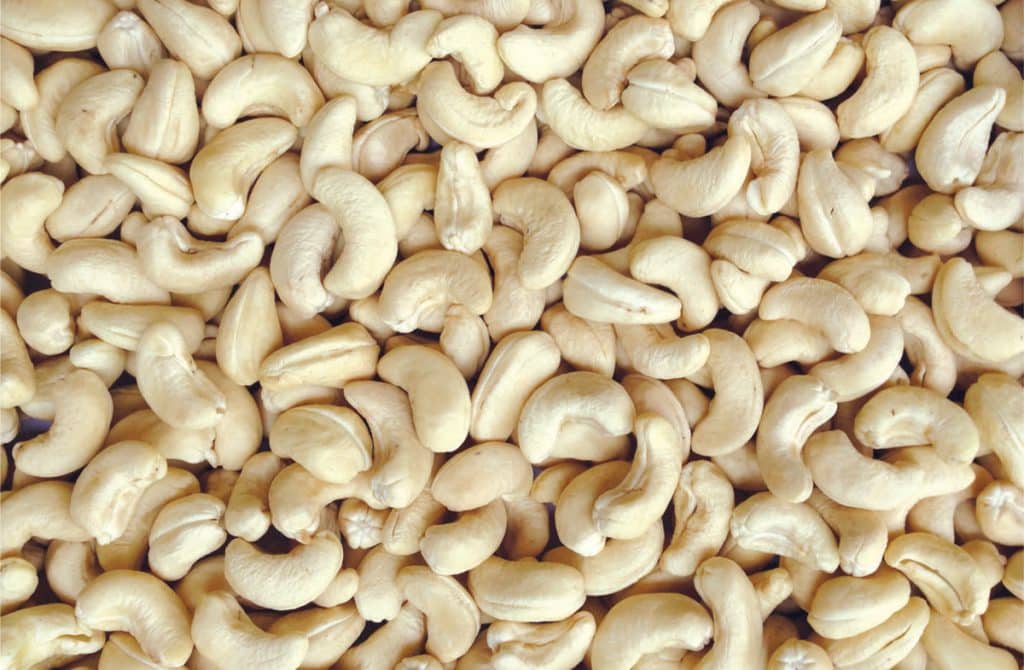
WW320 cashew nuts from Vietnam, sizes should be uniform
4. Poor Color and Appearance of Cashew Kernels
❌ Common Problem
Dark, yellowish, or spotted kernels reduce acceptance, especially in EU and US markets where visual quality is critical.
✅ Quality Control Measures
- Sourcing fresh raw cashew nuts from reliable origins
- Controlled roasting technology
- FIFO inventory management
- Continuous monitoring of warehouse humidity and temperature
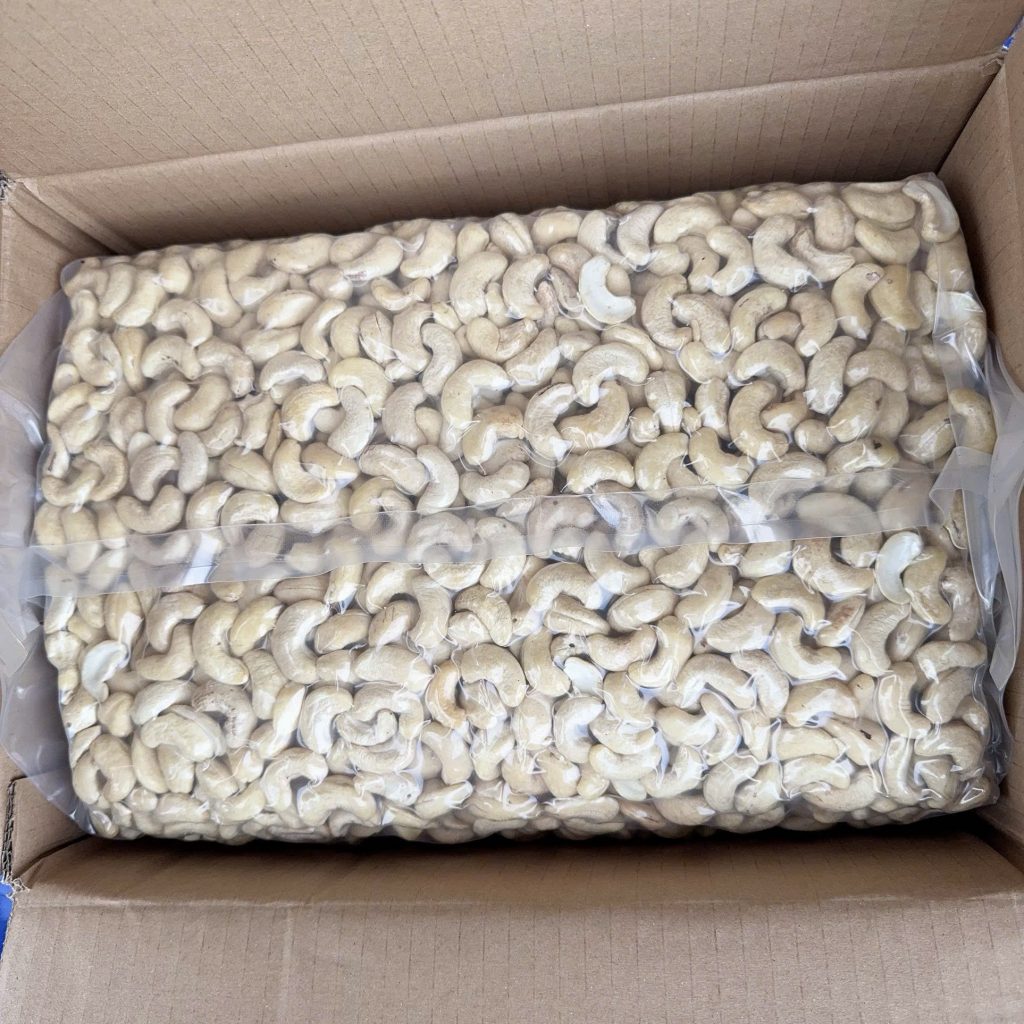
Avoiding poor color, is one of the important criteria for quality.
5. Foreign Matter Contamination
❌ Common Problem
Foreign matter (shell fragments, stones, metal particles) poses serious food safety risks and may lead to shipment rejection.
✅ Quality Control Measures
- Metal detectors and sieving systems
- Strict HACCP and GMP compliance
- Final visual inspection before packing
- Regular internal and third-party audits
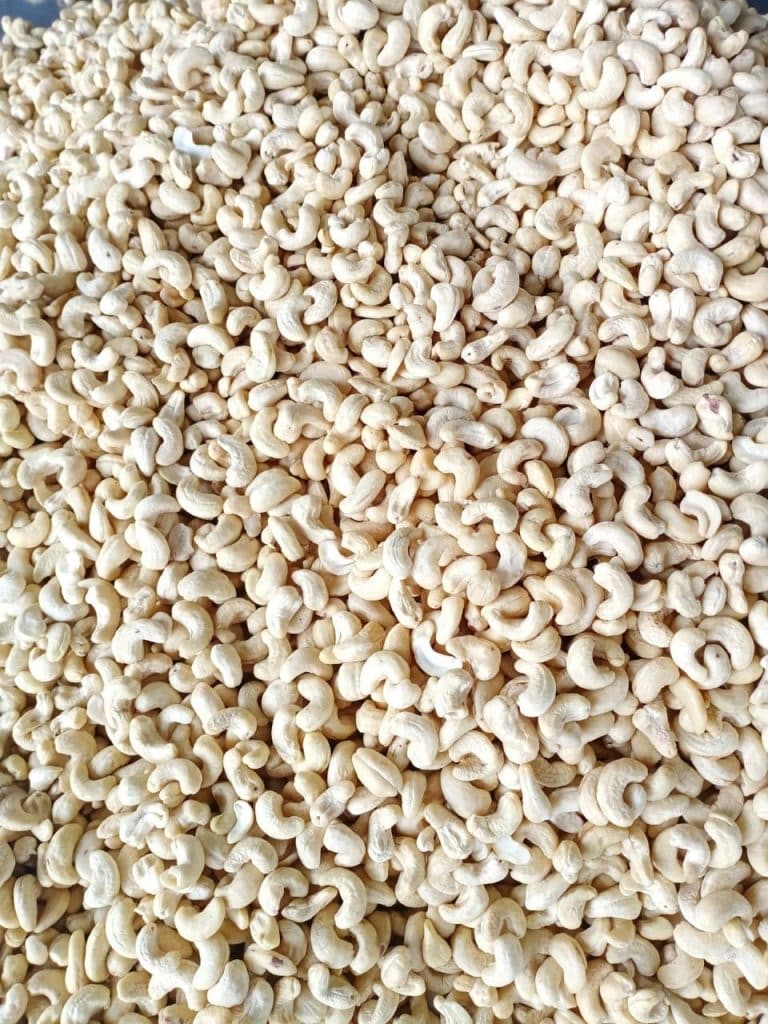
Avoid foreign matter by quality control direct at cashew kernels factory
Why Quality Control Matters in Cashew Kernel Export
In global trade, consistent cashew kernel quality matters more than short-term pricing advantages.
Professional cashew exporters from Vietnam invest in:
- Raw material selection
- Process control
- Transparent documentation
- Reliable after-sales support
👉 Quality consistency builds trust — and trust builds long-term business.
Looking for a Reliable Cashew Kernel Supplier?
We supply premium cashew kernels (W240, W320, W450, SW, LP) with:
- Stable quality
- Competitive pricing
- International export standards
- Flexible packaging options
📩 Contact us today to receive specifications, samples, and quotations.
Thuan Hai Cashew Ltd.